In Its Own Words: What Compass’s Lawsuit Reveals About Itself
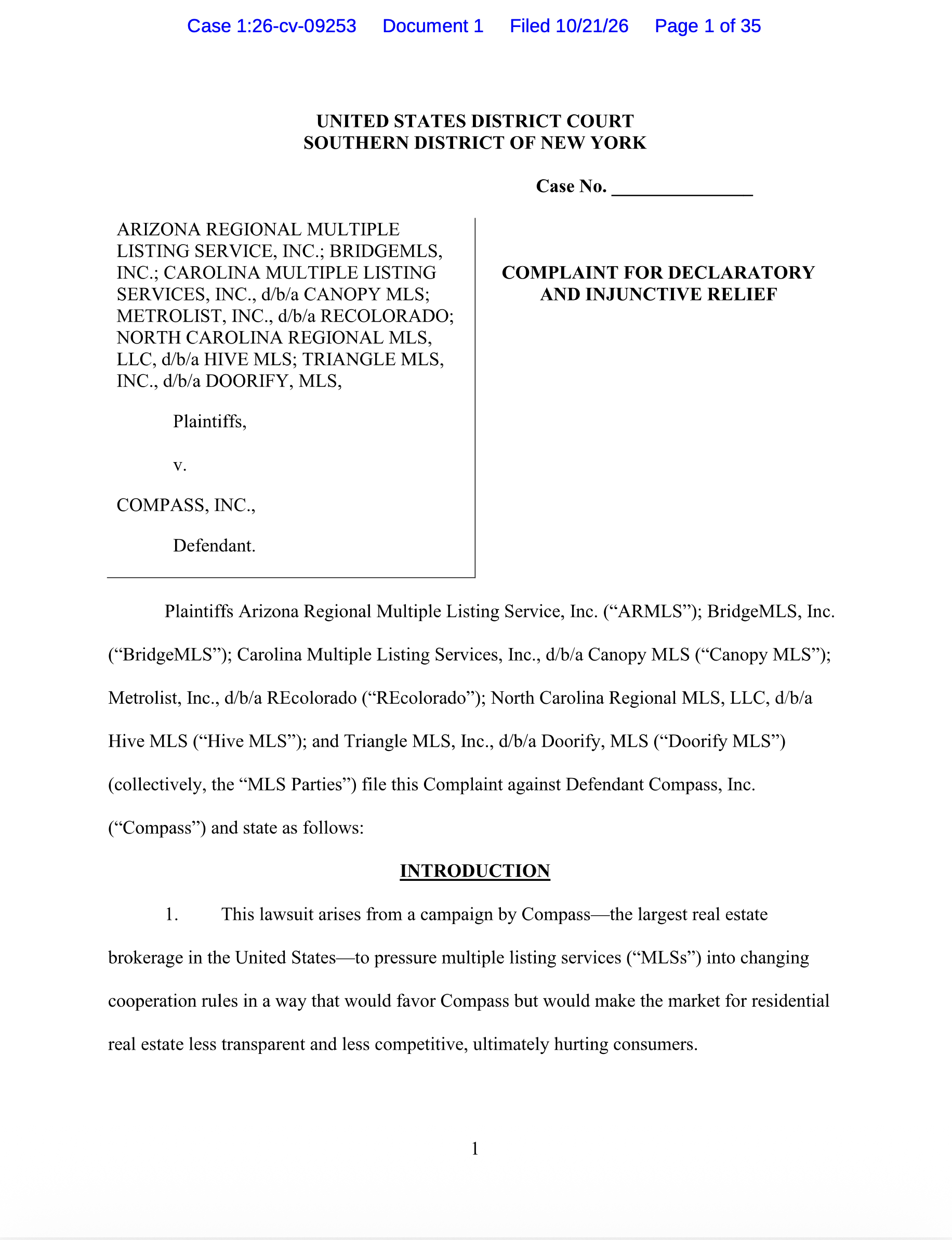
CRMLS’s Art Carter and Ed Zorn sat down with Compass’s antitrust complaint against them and read it slowly. They stopped at paragraph 3:
“One reason homeowners like having this choice is that they can use pre-MLS public marketing to test the price of a home with real-world feedback from agents and their clients, which helps ensure the home is not overpriced when it lists in the MLS…”
Compass says about 48% of its sellers used this “phased marketing” where their MLS allowed it.
Last week I wrote about paragraph 76 of the six-MLS complaint, which says Compass agents build their CMAs on everybody else’s comps. Turns out that’s only half of it. According to Compass’s own complaint, about half its sellers also need everybody else’s agents to tell them what the house is worth. The comps aren’t enough. They want live feedback from the competition too, before the listing goes anywhere those competitors’ buyers can see it. Carter and Zorn ask it more politely:
“Why would a competent agent representing a seller need input and feedback from competing agents just to determine what the list price of a property should be?”
Price is the number one objection sellers raise. Compass’s answer is to let the other brokers argue it for them. Strange thing for a technology company to tell a federal judge about half its listings.
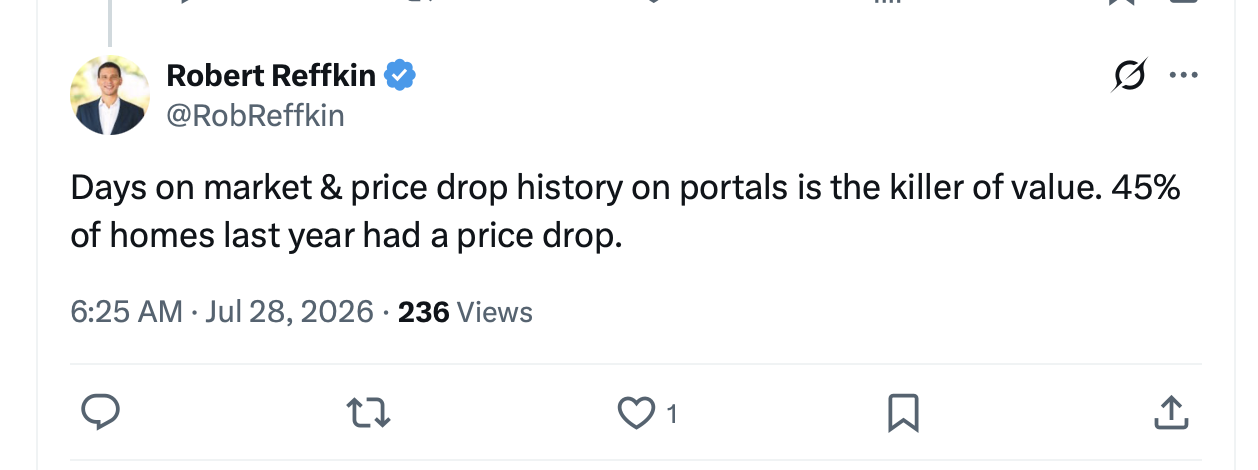
It gets worse. Same paragraph, Compass says the strategy avoids listings getting “permanently soiled by price cuts and extended ‘days on market’ that hurt the perceived value of the homes.” Zorn has been working this angle since THRIVE in September. California’s agency disclosure form (Civil Code 2079.16) says the listing agent owes the buyer a duty to disclose facts that materially affect value. If DOM and price cuts permanently soil value, they’re material. Compass just said so in a federal filing. Then it threw in the 4.6% premium its phased-marketing homes supposedly sell for, which reads an awful lot like a damages number. Hagens Berman already noticed that one in Chicago.
The fact-check section is fun too. Compass says CRMLS licenses data to portals while “paying Compass nothing.” CRMLS says it emailed Compass brokers five times this spring with instructions to collect $24,443.78 in revenue share. Compass says sellers of other goods don’t have to show price history. CRMLS posted screenshots from Edmunds (Porsche Macans natch!) and Amazon. Compass says consumers can’t get into the CRMLS database. CRMLS counts more than 12.5 million consumer logins to its client portals last year.
Yikes!
This is one side of a lawsuit arguing its case in public, and Compass’s lawyers will have answers (I’m assuming). But “test the price” isn’t a lawyer’s flourish. It’s the listing presentation.
The CMA is the price test. If you need your competitors to tell you what the house is worth, the least you can do is let their buyers see it. Last week the CMA was Exhibit A. This week Compass filed Exhibit B itself.
(Same disclosure as last week: I consult with Lone Wolf on Cloud CMA. The dog is still a very good boy.)